Clover Design Review: A Versatile Embroidery for Personalized Gifts
As an experienced embroidery designer, I always approach new designs with a mix of excitement and caution. Clover Design caught my attention as a potential asset for personalized gift products, especially those aimed at niche markets like baby items, wedding keepsakes, or seasonal décor. After testing it on several materials and applications, here's my honest take on how this design can enhance your offerings — and where you might want to tread carefully.
First Impressions: Charm Meets Detail
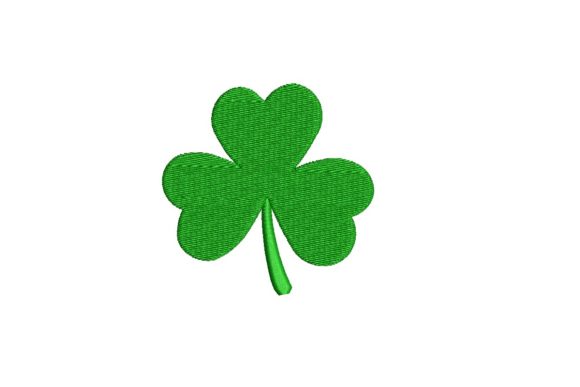
The first thing that struck me about Clover Design is its emotional appeal. It carries a warm, inviting charm that feels both sweet and slightly whimsical. The clover motif is classic, but the level of detail in the stitching adds a modern touch. Whether you're creating a handmade product for a newborn or a romantic St Patrick S Day keepsake, this design conveys a sense of care and craftsmanship.
I found the overall mood to be playful yet elegant, making it suitable for a wide range of audiences. It doesn’t scream holiday, which gives it flexibility beyond just St Patrick S Day. That said, if you're aiming for a subtle nod to the season, it works beautifully without being over-the-top.
Baby Products and Nursery Items
For baby embroidery, Clover Design has a lot going for it. The soft curves and gentle lines make it ideal for embroidered towels, onesies, or nursery wall hangings. Its versatility across sizes means you can scale it down for a tiny blanket or up for a larger piece of décor. Just remember to adjust stitch density and hoop size accordingly to ensure it holds up well on stretchy or delicate fabrics.
Wedding Gifts and Keepsakes
When applied to custom embroidery projects like pillow covers or aprons, Clover Design brings a timeless elegance that fits perfectly into a wedding theme. Its clean, intricate look can complement monogrammed initials or names, making it a great choice for personalized gift ideas such as guest towels or table linens. It also pairs well with other floral motifs for a cohesive look in your wedding gift collection.
Custom Towels and Kitchen Linens
Embroidered towel orders are always a hit with customers who appreciate subtle customization. Clover Design’s adaptability shines here — it can sit neatly in a corner or take center stage depending on your vision. The key is to test it on different fabric textures before finalizing any commercial embroidery run. Some towels may absorb the thread differently, affecting the visual impact.
Tote Bags and Pillow Covers
Personalized tote bags and pillow covers are staple items in many small shops and Etsy listings. Clover Design offers a balance between simplicity and sophistication that appeals to both casual shoppers and those looking for something more meaningful. When stitched on cotton canvas or denim, it looks particularly crisp. For stretchy fabrics, consider using a stabilizer to maintain shape and clarity.
Blanket Embroidery and Aprons
Blanket embroidery requires careful planning due to the sheer size and weight of the fabric. Clover Design handles scaling well, but keep an eye on stitch density to prevent puckering. On aprons, especially lightweight cotton blends, it adds a nice decorative element without overwhelming the practicality of the item.
Craft Fairs and Etsy Listings
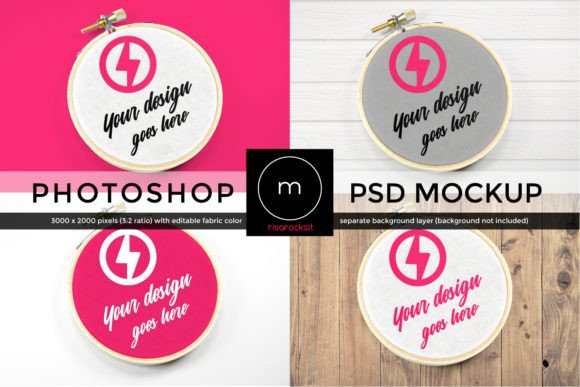
If you’re an Etsy seller or preparing for a craft fair, this design could become a go-to for quick customizations. Its recognizable shape makes it easy for buyers to visualize on various items, from mugs to throw pillows. Including a printable mockup in your listing will help customers see how it looks on dark or light backgrounds before placing an order.
Where to Use With Caution
- Small lettering: If you plan to add text alongside the clover, make sure it's large enough to remain legible after stitching.
- Delicate details: The design features fine elements that may not hold up well on very thin or textured fabrics.
- Thick towels or heavy fabrics: You’ll need to increase tension and possibly use a tear-away or cut-away stabilizer to avoid distortion.
- Stretchy baby clothes: Avoid using it on garments unless you’ve tested it thoroughly. Stretch can cause misalignment in the final product.
- Curved surfaces: While the design is versatile, curved areas like round coasters or curved seams on totes may require manual adjustments.
- Dark fabric: Thread colors won’t pop as much. Always compare your design on both light and dark fabric samples before presenting it to clients.
- Frequent washing: Items like kitchen towels or baby blankets should be tested for durability. Some embroidery threads may fade or loosen over time.
Impact on Customer Perception and Sales
A well-executed Clover Design can significantly boost the perceived value of your personalized gift products. Customers are drawn to items that feel unique and handcrafted, even when they know the process is machine-based. The design's warmth and detail contribute to that handmade quality, increasing buyer engagement and trust in your brand.
In terms of giftability, this design is highly adaptable. It can work as a standalone feature or be paired with other symbols to create a layered look. For example, adding a name beneath the clover can transform it into a cherished family keepsake. The emotional connection comes from its simplicity and symbolism — a clover often represents luck, love, and good fortune, which resonates deeply with many buyers.
Practical Tips for Using Clover Design
- Test on scrap fabric: Before committing to customer orders, stitch the design on a sample of the intended material to check for shrinkage, color contrast, and alignment.
- Check thread color contrast: Ensure the thread colors you choose stand out against the background fabric. This is especially important for dark textiles.
- Confirm hoop size: Since the design comes in multiple sizes, verify that your hoop accommodates the dimensions you select. Adjustments may be needed for smaller or larger formats.
- Review stitch density: Depending on the fabric, you may need to modify stitch density settings to prevent puckering or gaps in the design.
- Use proper stabilizer: A top or backing stabilizer can make all the difference in achieving a clean finish, especially on stretchy or thin materials.
- Compare light and dark fabric mockups: Showcasing the design on both types of fabric helps customers understand how it will appear regardless of their choice.
- Check small details after stitching: Zoom in on the finished piece to ensure no elements are distorted or misaligned during the embroidery process.
- Confirm commercial licensing: As with all machine embroidery design files, double-check the license terms before selling the finished product. Some digital files come with restrictions, and you don’t want to risk legal issues down the line.
Final Thoughts
Clover Design is a solid addition to any small shop product lineup. It offers the right balance of style and usability for digital embroidery file users who want to create heartfelt, personalized gifts. From handmade sellers to crafters and gift shop owners, this design has broad appeal and can be tailored to fit a variety of needs and aesthetics.
Its ability to adapt across different items and themes makes it especially valuable for custom order previews and product photography. When presented well, it enhances the story behind each gift — whether it’s a lucky charm for a newborn or a symbol of love for a couple starting their life together.
Just remember to treat it with the same care and consideration as any high-quality embroidery file. Test it thoroughly, adjust for fabric type, and always confirm licensing rights before selling. With these steps, Clover Design can elevate your personalized gift business and bring joy to every customer who receives one of your creations.