Simple Stitches Embroidery Style Review for Apparel Projects
As an experienced embroidery designer with a focus on boutique apparel and small-batch sweatshirt collections, I’m always on the lookout for digital embroidery files that offer both visual appeal and practical performance. When I came across Simple Stitches Embroidery Style on Creative Fabrica, I was intrigued by its promise of a clean, versatile design ideal for cotton fabric. After testing it in various real-world scenarios, here’s my professional take on how this machine embroidery design could fit into your next custom apparel project.
First Impressions: A Minimalist Yet Purposeful Design
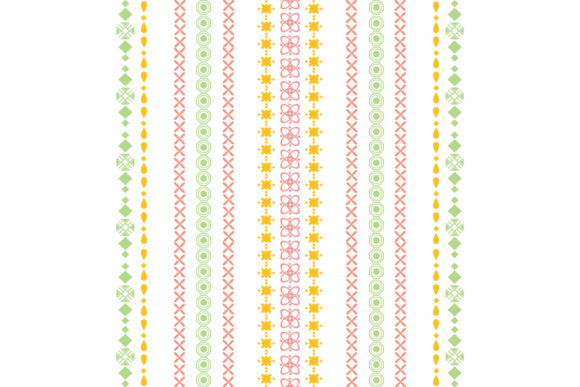
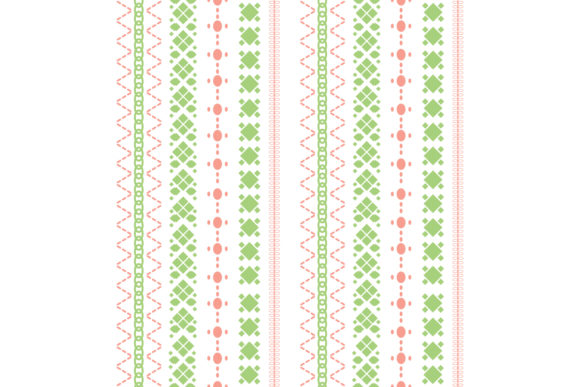
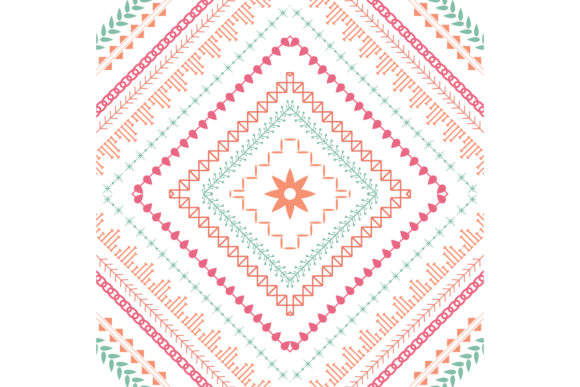
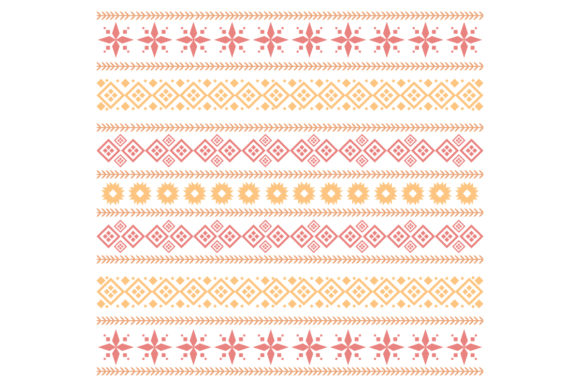
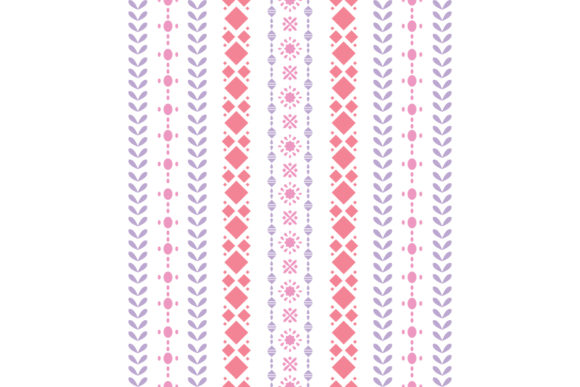
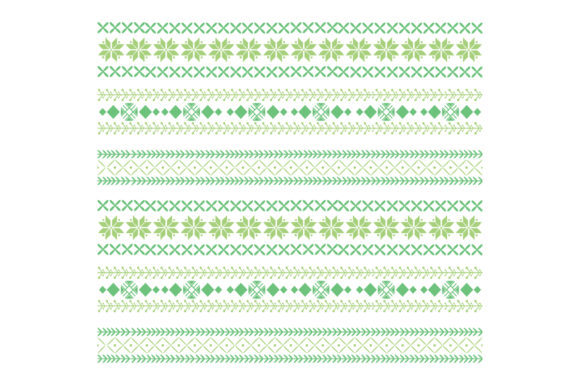
The Simple Stitches Embroidery Style immediately struck me as a minimal yet thoughtful pattern. It doesn’t scream for attention but instead offers a subtle charm that feels both modern and timeless. The stitching mood is calm and intentional—perfect for brands aiming to create a soft, understated aesthetic. This design leans into the minimal and classic side of embroidery patterns, making it adaptable across a range of styles from casual streetwear to cozy seasonal outfits.
I noticed the detail level is just right—not too intricate, which means it won’t get lost on thicker or textured fabrics like fleece, but still has enough character to feel premium. The decorative strength is moderate, so it works well as a standalone feature rather than a background element. It doesn’t carry the boldness of some modern graphic-based designs, nor does it have the rustic hand-stitched look. Instead, it sits comfortably between cute, feminine, and playful, appealing to a broad audience without feeling niche or overly trendy.
Applying Simple Stitches to Sweatshirts and Hoodies
When considering sweatshirt embroidery, especially for neutral-toned pieces, this design shines. Its simplicity allows it to stand out while maintaining a cohesive and elegant look. On pastel hoodies, the Simple Stitches Embroidery Style adds a gentle pop of texture and interest, enhancing the softness of the color palette.
- Chest Placement: For hoodie chest placement, this style looks best when centered slightly above the heartline. It complements oversized fits particularly well, where smaller details can get swallowed up by volume.
- Sleeve Accents: Used as sleeve accents, it introduces a refined touch that elevates the overall garment without overpowering it.
- Back Designs: While not large enough for full-back coverage, it can be repeated in a subtle pattern for layered looks or paired with other elements for a more complex design.
- T-Shirt Embroidery: On lighter-weight t-shirts, the design maintains clarity and sharpness. However, due to its delicate nature, it's best suited for flat surfaces and less stretchy knits.
Design Performance on Different Surfaces and Fabrics
This embroidery style adapts well to several substrates, though some require careful consideration:
- Denim Jackets: The contrast against darker denim is nice, especially if thread colors are chosen to highlight the design. But keep stitch density low to avoid puckering.
- Tote Bags: It makes a great addition to tote bag design, particularly if you’re going for a handmade product vibe. The flat surface helps maintain the integrity of the pattern.
- Boutique Merchandise: As part of a boutique brand collection, this style supports a consistent visual identity. Its uncluttered form ensures that each piece feels curated and professional.
However, I recommend using caution on stretchier materials or curved surfaces like shoulders or cuffs. The lack of dense stitching may cause the design to distort slightly if not properly stabilized. Always test on scrap fabric before moving to production.
Where to Use with Caution
- Small Chest Placement: The design might appear too delicate for high-impact areas unless paired with bolder typography or graphics.
- Dense Stitch Areas: Avoid layering multiple instances of the same pattern in one spot; it could lead to bulkiness and affect the fabric texture.
- Stretchy Fabric: Especially problematic for designs placed on sleeves or necklines. Consider reinforcing with a stabilizer to prevent distortion.
- Fleece and Ribbed Fabrics: These materials can challenge the precision of any design. Test stitch run on similar garment fabric to ensure quality.
- Dark Garments: Thread visibility matters. Choose light-colored threads for maximum impact on black or navy bases.
- Curved Surfaces: Hoop size becomes crucial here. Ensure proper tension and consider resizing slightly for better adherence to curves.
- Tiny Lettering: If the pattern includes text, verify legibility after scaling down. Some characters may lose definition.
Enhancing Brand Identity and Customer Engagement
One of the key strengths of Simple Stitches Embroidery Style lies in its ability to elevate the perceived value of a finished product. In a market flooded with mass-produced items, subtle, well-crafted embroidery can make all the difference. This style gives your boutique brand a polished, artisanal edge that appeals to conscious consumers looking for unique, handmade products.
For Etsy sellers and small shop product creators, this design contributes to a cohesive and professional presentation. Whether used on lifestyle product photos or printable mockups, it enhances the visual consistency of your catalog. Customers respond positively to such attention to detail—it builds trust and encourages repeat purchases.
Its adaptability also helps in creating recognizable product lines. Think about how this embroidery style can be integrated into seasonal collections—holiday-themed totes, autumn-inspired sweatshirts, or minimalist winter hoodies. The versatility of the Patterns category makes it easy to pair with other Graphics for a layered, yet harmonious effect.
Designer Notes for Production Readiness
Before finalizing any commercial embroidery projects using this file, remember these essential steps:
- Test on scrap fabric to evaluate how it behaves with your specific thread and machine settings.
- Review your stabilizer choice—lightweight cut-away or tear-away options often work best for cotton-based garments.
- Check thread color contrast against your base fabric to ensure visibility and aesthetics.
- Confirm the hoop size recommended by Creative Fabrica (if provided), or adjust accordingly for your machine.
- Inspect stitch density settings to avoid overstuffing or under-stitching depending on the fabric weight.
- Compare placement options—does the design work better as a single accent or part of a larger motif?
- Always check the product details and licensing information on Creative Fabrica before selling finished apparel to ensure compliance.
Visual Consistency Across Product Lines
For small clothing brands and creative entrepreneurs, visual consistency is vital. The Simple Stitches Embroidery Style provides a reliable foundation for building a cohesive line. Its uniformity across placements and scale makes it easier to maintain a unified look across different items like hoodies, sweatshirts, and tote bags.
When preparing social media graphics or promotional content, the design translates well into printable mockups. It doesn’t distract from the model or the garment, allowing your message to stay focused. This makes it a strong candidate for digital sellers who rely heavily on imagery to drive sales.
Boosting Buyer Trust and Professional Presentation
High-quality embroidery isn't just about looks—it’s about professionalism. Using machine embroidery design like Simple Stitches shows customers that you care about craftsmanship and attention to detail. This is especially important for handmade businesses aiming to compete with big-name labels in the online marketplace.
Buyer trust increases when they see clean, even stitches and no signs of rushed execution. The embroidery file itself is straightforward to implement, but the real magic happens when you apply it thoughtfully. Use it sparingly to let the design speak, or repeat it subtly to build a signature motif for your boutique brand.
Conclusion: A Versatile Foundation for Thoughtful Embroidery
In summary, Simple Stitches Embroidery Style is a solid addition to any creative entrepreneur’s toolkit. It’s not the kind of design that dominates a piece, but rather one that enhances it with quiet sophistication. Its adaptability across different fabrics and placements makes it valuable for both personal crafters and commercial embroidery shops.
If you're working on a new sweatshirt or hoodie collection, or simply want to add a refined touch to your custom apparel, this style is worth exploring. Just be sure to test it thoroughly and tailor your approach based on fabric type and placement needs. With the right preparation, it can become a cornerstone of your brand's visual language and customer experience.