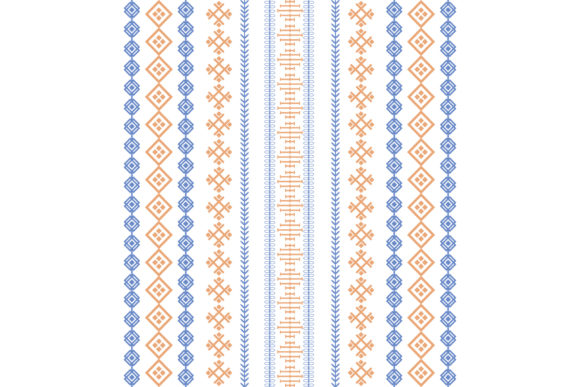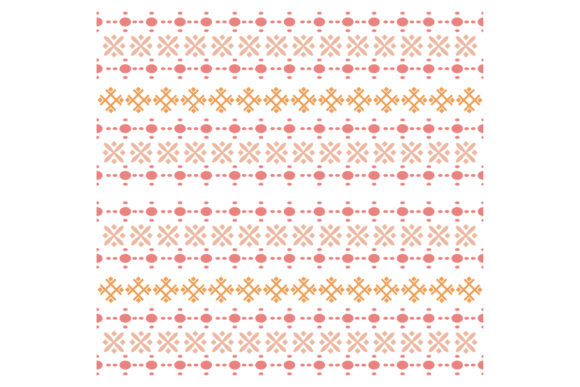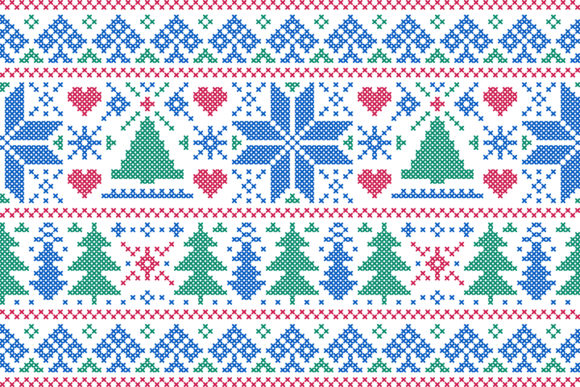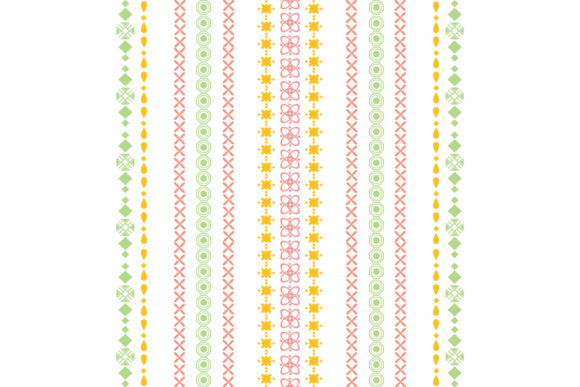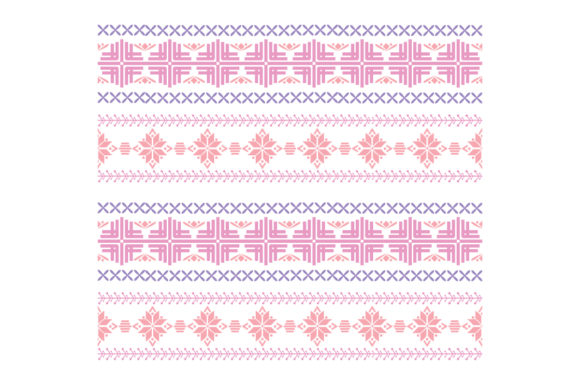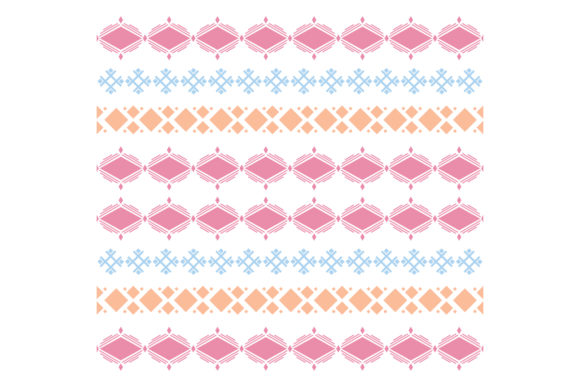
The Beautiful Art Style Embroidery
As an experienced embroidery designer, I’m always on the lookout for machine embroidery designs that elevate the emotional and aesthetic value of personalized gift products. Recently, I had the chance to test The Beautiful Art Style Embroidery, a design intended for living room decoration but with broader potential across various handmade items. In this review, I’ll walk you through my hands-on experience using it in different applications—like baby blankets, kitchen towels, and pillow covers—and how it could work well or where it might need extra care.
First Impressions: A Timeless Charm
When I first opened the digital embroidery file for The Beautiful Art Style Embroidery, I was struck by its delicate balance between classic and contemporary aesthetics. It features soft curves, flowing lines, and intricate patterns that evoke a sense of warmth and elegance. The mood is gentle and inviting, making it ideal for gifts that carry sentimental weight. Whether used on a cozy blanket or a decorative pillow cover, this design has a quiet charm that feels both romantic and timeless.
Its detail level is impressive without being overwhelming. This is not a busy design; instead, it uses subtle flourishes and graceful shapes to create visual interest. As someone who values emotional appeal in custom embroidery, I found it particularly suited for family keepsakes and wedding gifts. It doesn’t scream “handmade,” but it definitely feels like it belongs in a handmade product. That’s a rare and valuable quality.
Applications Across Personalized Gift Products
Baby Blankets: For baby embroidery, this design offers a soft, whimsical look. It pairs beautifully with names, dates, or phrases like “Our First Year.” The style complements pastel thread colors and works especially well when combined with minimalist lettering. Just be sure to test stitch density to avoid overstuffing the fabric.
Embroidered Towels: When applied to kitchen towels or bath linens, The Beautiful Art Style Embroidery adds a touch of sophistication. Its flowy motifs don’t distract from functionality while still enhancing the overall appearance. However, if your towel is thick or textured, you may need to adjust the hoop size and stabilizer to maintain clarity in small details.
Pillow Covers & Living Room Decor: Naturally, this design shines on pillow covers and other living room décor. The patterns are versatile enough to suit both modern and traditional spaces, depending on the fabric choice and thread color palette. I recommend using light-colored cotton or linen for the best visibility of the design’s subtleties.
Wedding Keepsakes: The design’s romantic feel makes it perfect for embroidered wedding favors, such as monogrammed aprons or custom tote bags. Its elegant motifs can be paired with couple names or wedding dates to create lasting mementos that customers will treasure.
Nursery Items: From crib bumpers to wall art, The Beautiful Art Style Embroidery brings a dreamy, artistic flair to nursery decor. It works especially well on white or cream backgrounds, allowing the embroidery to pop and creating a cohesive, stylish space.
Custom Tote Bags & Aprons: These practical yet personal items benefit greatly from this design. It gives them a boutique-like finish and makes them stand out at craft fairs or in Etsy listings. For tote bags, I suggest previewing the design using a printable mockup to see how it looks from all angles before cutting into real fabric.
Where to Use With Caution
- Small Lettering: While the main pattern is detailed, the accompanying text should be kept simple. Tiny fonts might get lost in the design’s intricacies.
- Delicate Details: The design includes some fine elements that could distort if the stabilizer isn’t right or if the stitch density is too high. Always do a test run.
- Textured Fabric: Fabrics like flannel or canvas might cause the embroidery to lose definition. Smooth, medium-weight fabrics are safest.
- Thick Towels: Because of their density, thick towels require careful planning. Hoop size and tension settings must be adjusted to prevent puckering or distortion.
- Stretchy Baby Clothes: Avoid using this design on stretchy materials unless you have a specialized hoop and stabilizer. Stretch can compromise the symmetry of the patterns.
- Curved Surfaces: If applying the design to curved areas (like a round pillow or a baby bottle bag), consider splitting the design or adjusting the placement to maintain proportionality.
- Dark Fabric: The design relies on contrast to show off its beauty. On darker bases, thread colors might not stand out as clearly. Test with a few samples to ensure visibility.
- Frequent Washing: Since the design contains some fine details, frequent washing could cause wear over time. Recommend using durable thread types and proper backing for long-lasting results.
Enhancing Giftability and Customer Trust
One of the most important aspects of any personalized gift is the perceived value. The Beautiful Art Style Embroidery elevates the look of even the simplest items, giving them a polished, professional finish. As an Etsy seller or small shop owner, this kind of embroidery design helps build customer trust because it shows attention to detail and quality.
Customers are drawn to handmade products that tell a story. This design supports emotional connection by offering a refined and thoughtful aesthetic. Whether it’s a baby’s name stitched onto a blanket or a couple’s initials on a custom apron, the design adds a layer of meaning and beauty that makes the finished product more memorable.
Photography and Buyer Engagement Tips
When showcasing The Beautiful Art Style Embroidery in product photography, lighting is key. Soft natural light highlights the texture and depth of the stitching, especially when using multiple thread colors. Consider photographing the design on both light and dark fabric mockups to give buyers a better idea of how it will look in different settings.
For digital product sellers, including a printable mockup with your embroidery file package is essential. It allows buyers to visualize the design on their chosen item before purchasing. I also recommend adding a short video showing the design in action on a sample piece, as it can dramatically increase buyer engagement and confidence in the product.
Practical Embroidery Notes for Real-World Use
- Always test on scrap fabric before starting a customer order. This helps identify any issues with thread tension, color contrast, or stitch behavior.
- Review the thread colors included in the embroidery file. Depending on your brand or project theme, you may want to customize them for a more unique look.
- Confirm the hoop size needed for the design. If the hoop is too small or the design is split, it could affect the final outcome.
- Adjust stitch density based on the fabric type. Too tight can cause puckering; too loose may make the design appear flat or undefined.
- Use the appropriate stabilizer for the fabric. A tear-away or cut-away stabilizer can make all the difference in maintaining the design’s integrity.
- Compare how the design looks on light and dark fabric mockups to help buyers choose wisely.
- After stitching, zoom in to check for small details that might have been missed during testing. Sometimes only after the full piece is done do imperfections become apparent.
- Lastly, before selling finished products made with this machine embroidery design, confirm that you have the correct commercial license to use the digital embroidery file in your business.
Final Thoughts for Handmade Sellers
In my experience, The Beautiful Art Style Embroidery is a standout option for those looking to offer meaningful, high-quality personalized gift products. Its versatility across patterns and graphics allows for creative freedom while still maintaining a cohesive, elegant style. Whether you’re an Etsy seller or a small shop owner, this design can enhance your handmade product line and attract customers who appreciate thoughtful, artistic craftsmanship.
However, due to its intricate nature, it requires careful handling and setup. Testing is crucial to avoid surprises, especially when working with new fabrics or unusual items. But once mastered, it becomes a go-to for special occasion pieces and everyday gifts alike.
If you're aiming to expand your custom embroidery offerings or simply want to add a touch of elegance to your small shop product range, I’d say this one is worth the investment—just keep these practical notes in mind to ensure success every time.